
Why Glass Needs Special Care on the Gold Coast
The Gold Coast environment is beautiful, but harsh on building materials, especially glass and metal components.
Salt, Sand and Sea Air
Homes near the coastline are constantly exposed to:
-
Salt spray carried on the wind
-
Fine sand and dust particles
-
Moisture settling on glass and frames
If left untreated, these can cause:
-
Permanent marks or “etching” on glass
-
Corrosion on aluminium and steel frames
-
Stiff or damaged hardware on sliding and hinged systems
Humidity, Rain and Storms
Frequent rain, high humidity and summer storms can lead to:
-
Condensation on interior and exterior glass
-
Moisture sitting in tracks and drainage channels
-
Degraded seals and silicone over time
Without regular checks, this can reduce performance, cause leaks and shorten the life of your installations.
Sun and UV Exposure
Strong sun and UV can:
-
Highlight any watermarks, streaks or salt marks on glass
-
Contribute to the drying and cracking of rubber seals
-
Fade some frame finishes if not maintained
Understanding these factors is the first step in Maintaining Your Glass Installations in the Gold Coast Environment, so they keep performing and looking their best.
Essential Maintenance Practices for Glass Installations
You don’t need complicated routines, just consistent, gentle care.
Regular Cleaning to Control Salt and Grime
A simple cleaning routine goes a long way:
- Rinse with fresh water
- Hose down external glass and frames to remove loose salt and dust.
- Avoid high-pressure blasting right at seals or silicone.
- Wash with a mild cleaner
- Use a gentle glass cleaner or a light detergent-and-water mix.
- Avoid harsh abrasives or strong chemicals that can damage coatings and seals.
- Use the right tools
- Soft microfibre cloths, sponges and squeegees work best.
- Avoid scourers or anything that could scratch glass or hardware.
- Wipe frames, tracks and hardware
- Clean aluminium or stainless-steel frames as well as glass.
- Pay attention to sliding door tracks and drainage holes.
For homes very close to the ocean, more frequent rinsing and light cleans are recommended to stay ahead of salt buildup.
Caring for Frames, Seals and Hardware
Glass is only as good as the structure holding it.
-
Inspect seals and silicone
-
Look for cracks, gaps or obvious deterioration.
-
Damaged seals can lead to leaks and reduce energy performance.
-
-
Check rubber gaskets and wedges
-
These help keep glass secure and cushioned in frames.
-
Replace them if they harden, crack or shrink.
-
-
Keep tracks clear
-
Vacuum or brush out sand, grit and insects from sliding door and window tracks.
-
Blocked tracks can cause poor operation and lead to premature hardware wear.
-
-
Lubricate moving parts
-
Use suitable lubricants on hinges, rollers and locks (avoid anything that attracts heavy dirt).
-
Smooth operation prevents strain on glass and framing.
-
Being proactive with these details is a core part of Maintaining Your Glass Installations in the Gold Coast Environment and extending their service life.
Managing Moisture, Condensation and Ventilation
Humidity and temperature changes can cause condensation on glass and frames.
To minimise problems:
-
Ensure good ventilation, especially in bathrooms, laundries and kitchens.
-
Use exhaust fans when showering or cooking.
-
Wipe down glass and framing where moisture regularly settles.
-
Keep an eye on any double-glazed or laminated units; persistent fogging between panes is a sign of seal failure and should be assessed by a professional.
Choosing the Right Materials from the Start
If you’re upgrading or building, smart choices now will reduce maintenance later:
-
Prefer corrosion-resistant hardware such as quality stainless steel or properly coated aluminium.
-
Use toughened or laminated safety glass where required for strength and safety.
-
Consider higher-performance glazing in exposed areas to help manage sun, heat and UV.
A local glazing specialist can advise on suitable products and configurations for the Gold Coast environment before installation. This is just as important as day-to-day cleaning.
Special Care Tips for Common Glass Installations
Different glass applications around your home will need slightly different attention.
Sliding Doors and Large Glass Openings
Sliding glass doors are a classic Gold Coast feature, and they work hard.
-
Keep tracks clean and free of sand to avoid damage to rollers.
-
Clean and lightly lubricate rollers and guides according to manufacturer recommendations.
-
Regularly check that doors sit correctly and operate smoothly heavy, dragging motion is a sign that something needs adjustment or cleaning.
These simple steps help avoid costly repairs or replacement.
Shower Screens and Bathroom Glass
Bathrooms combine moisture, cleaning products and daily use.
-
Wipe down shower screens after use if possible, especially in hard-water areas.
-
Use a squeegee to remove water droplets and reduce mineral build-up.
-
Clean with non-abrasive bathroom-safe cleaners, avoiding harsh chemicals on hardware and seals.
If you’re renovating a small space, you can consider upgrading to a modern frameless or semi-frameless shower screen these designs often have fewer places for soap scum and mould to collect, making maintenance easier.
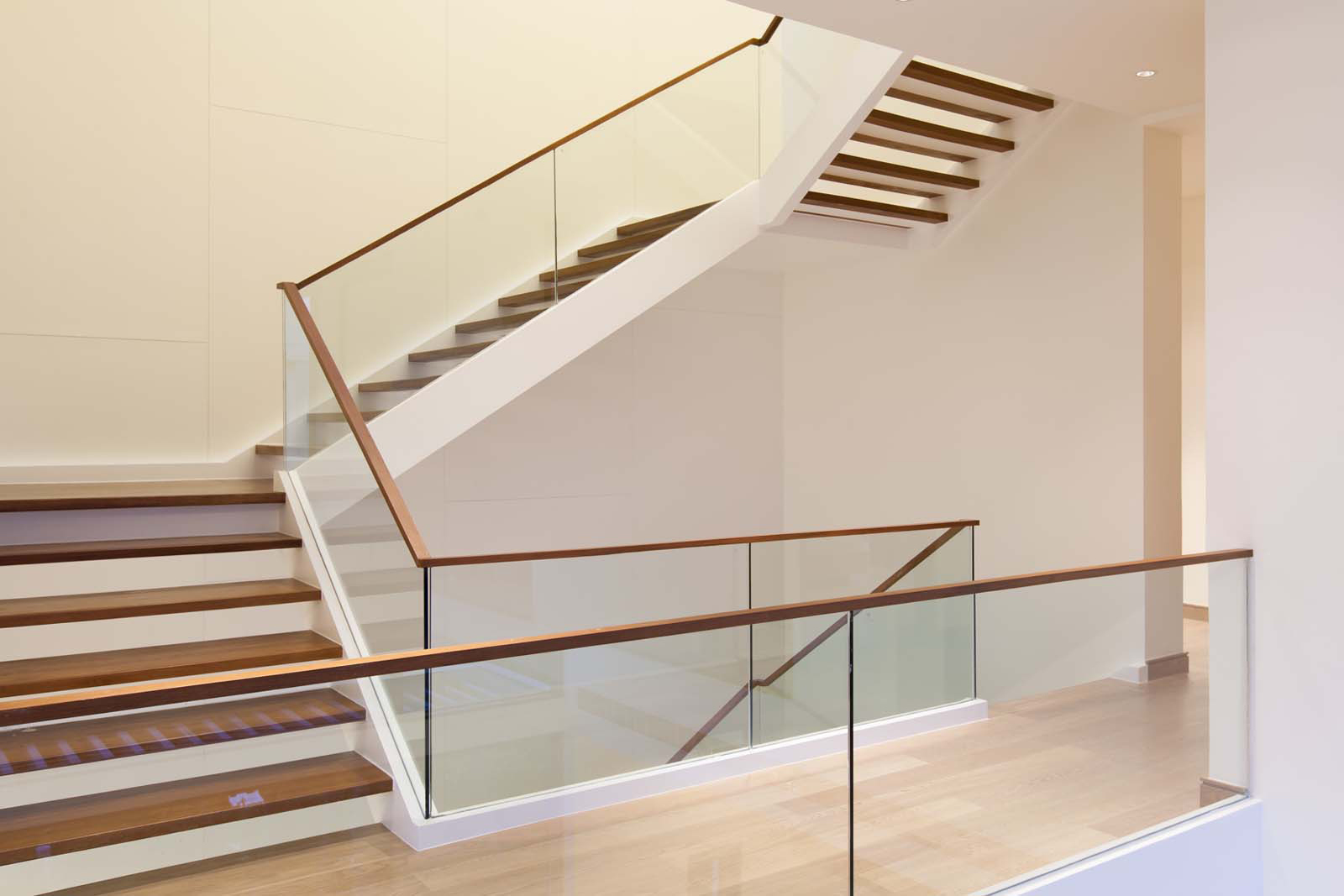
Balustrades, Railings and External Glass
Exposed glass balustrades and pool fencing are constantly in contact with salt air, wind and UV.
-
Rinse glass and posts periodically with fresh water.
-
Pay attention to base plates, brackets and fixings, checking for any signs of corrosion.
-
Keep garden fertilisers, soil and mulch away from stainless or aluminium base connections where possible.
For design inspiration or upgrades, you can look at glass fencing and balustrade options suited to coastal conditions.
Internal Partitions and Mirrors
Internal glass and mirrors need less environmental protection but still benefit from proper care:
-
Use glass-safe cleaners and soft cloths to avoid streaks and scratches.
-
For large mirror walls or mirrored cabinets, avoid spraying cleaner directly onto edges; spray onto a cloth instead to protect the backing.
-
Check supports and fixings occasionally, especially on large or heavy installations.
Custom mirrors and partitions can be particularly valuable in smaller spaces, reflecting light and giving a more open feel when maintained well.
When to Call a Professional
Some issues should be checked by an experienced glazier rather than handled solely as a DIY.
Consider getting a professional inspection if you notice:
-
Persistent fogging or moisture between panes
-
Cracks or chips in structural glass
-
Loose balustrades or wobbly posts
-
Significant corrosion on hardware or fixings
-
Doors or windows that are very difficult to open or close
You can reach out via the Millennium Glass contact page to discuss inspections, repairs or upgrades. If you’re a confident renovator, you can also explore DIY glass supply options and still rely on professional advice for product selection.
Quick Maintenance Checklist for Gold Coast Glass
To make Maintaining Your Glass Installations in the Gold Coast Environment easier, use this simple reference:
Monthly
-
Lightly clean of interior glass
-
Wipe shower screens and bathroom glass
-
Check sliding tracks for grit
Every 2–3 Months
-
Rinse and wash the external glass
-
Clean frames, seals and drainage channels
-
Inspect hardware and lubricate where needed
Yearly
-
Inspect for corrosion, damaged seals or loose fixings
-
Consider a professional check of key areas (balustrades, main sliders, large feature glazing)
FAQ: Maintaining Your Glass Installations in the Gold Coast Environment
Q1: How often should I clean exterior glass near the beach? If you’re very close to the water, a light rinse monthly (or even more frequently in windy conditions) plus a more thorough clean every few months is ideal. The goal is to prevent salt buildup, not just react to it.
Q2: Can I use any household cleaner on glass? It’s best to use glass-specific or mild detergent solutions. Avoid scouring pads, strong alkaline cleaners or anything abrasive, as they can damage coatings, seals and metal finishes.
Q3: What’s the most common problem with glass on the Gold Coast? Salt-related corrosion on frames and hardware is very common, as is permanent marking on glass that hasn’t been cleaned regularly. Routine rinsing and gentle washing make a big difference.
Q4: How can I tell if my seals or silicone need replacing? Look for cracks, separation from frames, obvious gaps or signs of water ingress around the edges. If you’re unsure, a glazier can assess whether resealing or replacement is needed.
Q5: Can older glass installations be upgraded for better performance and durability? Yes. Many homeowners gradually upgrade to newer glass, improved framing and better hardware. This can improve safety, ease of use, energy performance and durability in the coastal environment.
Conclusion
Maintaining Your Glass Installations in the Gold Coast Environment doesn’t need to be complicated, but it does need to be consistent. Regular cleaning, attention to frames and hardware, smart material choices and occasional professional checks will keep your glass clear, safe and performing well.
If you’re ready to improve, repair or upgrade glass around your Gold Coast property, the team at Millennium Glass can help with tailored advice, supply and installation that’s designed for local conditions.
Contact us today for your free quote
